1950s movies blended classic Hollywood charm with evolving styles, memorable stars, and groundbreaking storytelling. Explore 1950s movies to discover timeless dramas, lively comedies, and influential films that defined an era of elegance, innovation, and cinematic tradition.
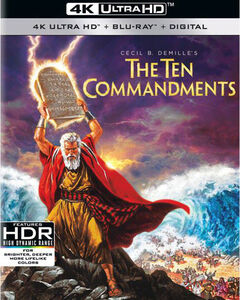
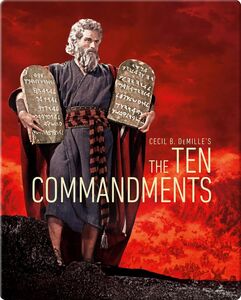
The 1950s began with confidence and shimmered with elegance. Hollywood embraced scale and spectacle, filling theaters with sweeping epics, vibrant musicals, and stories of romance and adventure. Films like Ben-Hur, The Ten Commandments, and Singin’ in the Rain defined an age of artistry and ambition.
Audiences craved escape, and studios delivered — with Technicolor dreams, orchestral scores, and stars who embodied timeless allure. Yet beneath the glamour, filmmakers began exploring deeper emotion and modern tension, hinting at the cultural shifts to come.
It was a decade where cinema stood at its most polished and powerful — a celebration of storytelling, beauty, and the enduring magic of the silver screen.
-
Hollywood Elegance: Lavish productions and legendary stars like Audrey Hepburn, Marilyn Monroe, and James Dean.
-
Epic Storytelling: Grand adventures that transported audiences (Ben-Hur, The Ten Commandments).
-
Social Realism Emerges: Films began confronting race, class, and identity (On the Waterfront, 12 Angry Men).
-
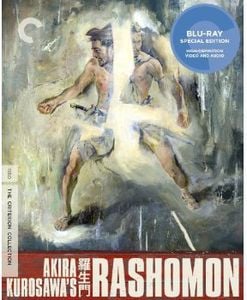
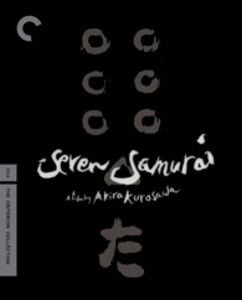
International Voices: Akira Kurosawa, Ingmar Bergman, and Federico Fellini reshaped world cinema.
-
Cinematic Innovation: Technicolor, CinemaScope, and 3D expanded storytelling possibilities.
The 1950s united beauty and depth — where glamour met growing awareness.
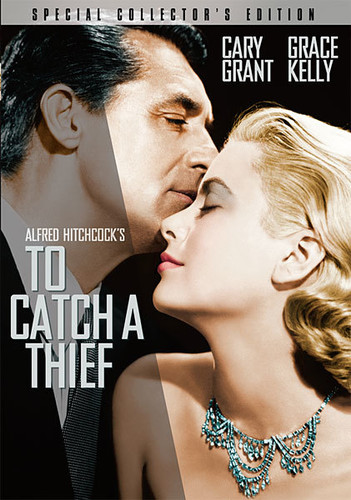
This was the decade that made movie stars immortal. Grace Kelly, Cary Grant, and Elizabeth Taylor defined sophistication; Marlon Brando and James Dean brought raw emotion to the screen. Directors fused elegance with realism — creating movies that moved both hearts and imaginations.
Every frame was composed like art, every performance burned with sincerity.
Singin’ in the Rain (1952)
A joyous, timeless celebration of Hollywood itself — music, color, and pure happiness.
Rear Window (1954)
Hitchcock’s masterclass in tension — voyeurism, suspense, and style in one perfect package.
Rebel Without a Cause (1955)
The defining portrait of teenage rebellion — James Dean’s legacy immortalized.
12 Angry Men (1957)
A gripping, intimate drama about justice, prejudice, and the power of conscience.
Ben-Hur (1959)
Epic storytelling at its finest — spectacle, faith, and triumph on an unprecedented scale.
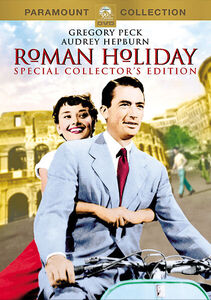
Roman Holiday (1953)
Romance and adventure collide in a fairy tale that still feels modern and free.
Seven Samurai (1954)
Kurosawa’s masterpiece of honor and humanity — one of the most influential films ever made.
1950s movies represent the perfect harmony of glamour and substance — the bridge between classic Hollywood and modern cinema. They:
-
Defined the golden age of film with style and innovation
-
Balanced spectacle with emotional storytelling
-
Introduced stars and directors who still inspire today
-
Blended optimism, romance, and realism in unforgettable ways
Step into a decade of elegance and creativity — browse our 1950s movie collection and bring home the brilliance of cinema’s most timeless era.