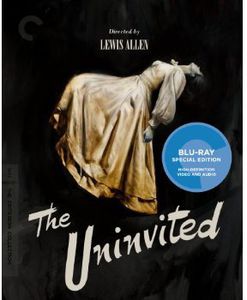
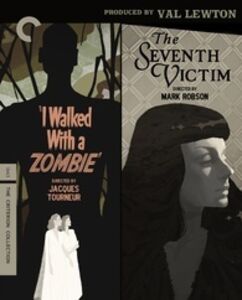
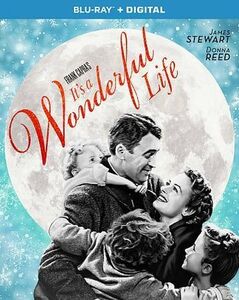
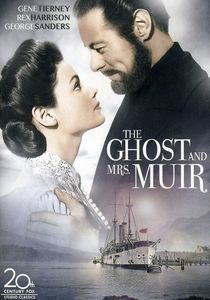
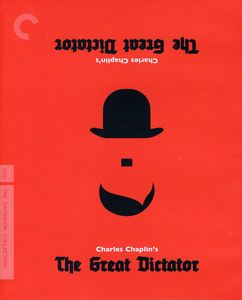
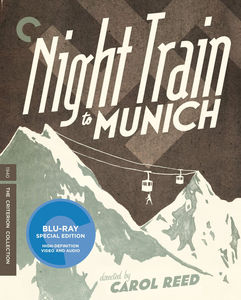
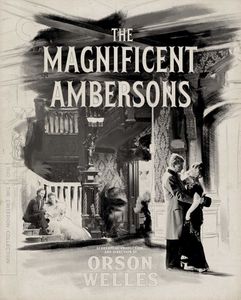
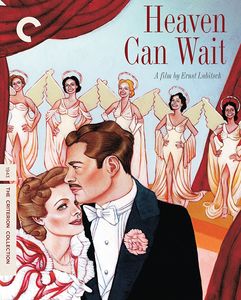
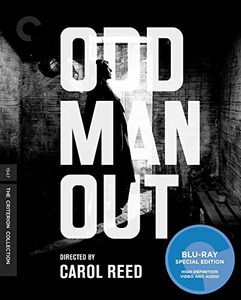
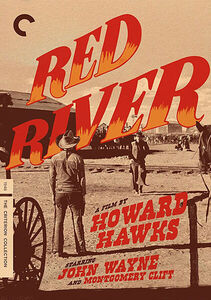
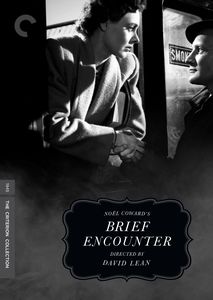
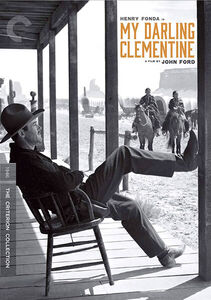
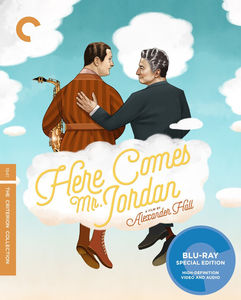
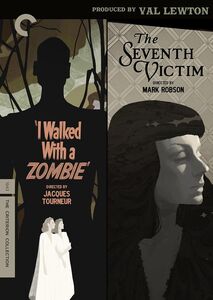
1940s movies reflected a world in transition, blending wartime themes, emotional depth, and classic Hollywood style. Explore 1940s movies to discover influential dramas, film noir favorites, and unforgettable stories that shaped a defining decade in cinema history.
Cinema in a World at War
The first half of the 1940s was shaped by World War II. Film became a unifying force — from patriotic dramas to escapist musicals that lifted spirits in uncertain times. When peace returned, movies began exploring loss, resilience, and rebirth with newfound honesty.
This was the decade when film stopped being just entertainment — it became expression, therapy, and truth.
The Defining Traits of 1940s Filmmaking
-
Wartime Inspiration: Stories of bravery, sacrifice, and unity (Casablanca, Mrs. Miniver).
-
Film Noir Emergence: Shadows, mystery, and moral ambiguity (Double Indemnity, The Maltese Falcon).
-
Romantic Realism: Deeply emotional storytelling that blended hope with heartbreak (Brief Encounter, It’s a Wonderful Life).
-
The Rise of Character Drama: Focus shifted from spectacle to humanity.
-
Artistic Refinement: Lighting, dialogue, and framing reached new sophistication.
The 1940s gave cinema a conscience — and audiences, a connection that still endures.
The Emotional Language of the 1940s
Filmmakers mastered subtlety and symbolism. Every frame carried moral weight, every line of dialogue meaning. Directors used black-and-white photography not as limitation, but as art — contrast revealing the emotional depth beneath the surface.
From noir’s moral darkness to post-war optimism, this was storytelling built to heal and endure.
Our Picks – Defining Movies of the 1940s
Casablanca (1942)
A wartime romance of love, sacrifice, and destiny — endlessly quotable, eternally moving.
It’s a Wonderful Life (1946)
An emotional masterpiece of hope and second chances — cinema’s most heartfelt celebration of humanity.
Citizen Kane (1941)
A revolution in form and storytelling — ambition, loss, and legacy told through groundbreaking visuals.
Double Indemnity (1944)
Sharp, cynical, and stylish — the definitive noir about greed, guilt, and fatal attraction.
Brief Encounter (1945)
A restrained yet devastating portrait of forbidden love and longing.
The Maltese Falcon (1941)
Smart, atmospheric, and morally murky — the blueprint for detective storytelling.
The Best Years of Our Lives (1946)
A moving reflection on veterans returning home — powerful and deeply humane.
Summary
1940s movies captured the world’s most emotional decade — balancing pain with perseverance, despair with hope. They:
-
Reflected global hardship and human resilience
-
Redefined film as both art and emotional truth
-
Introduced noir, romance, and realism that shaped every genre to follow
-
Combined timeless performances with groundbreaking direction
Relive cinema’s most heartfelt decade — browse our 1940s movie collection and experience the power, beauty, and emotion of film at its most human.
FAQs
What makes 1940s cinema so timeless?
Its sincerity — filmmakers focused on human stories, universal emotion, and moral complexity rather than spectacle.
Which genres thrived in the 1940s?
Romance, film noir, and wartime drama defined the era, balancing grit with compassion.
How did World War II affect filmmaking?
It inspired patriotic storytelling and post-war introspection, influencing tone, themes, and emotional honesty.
What are the most influential films of the decade?
Citizen Kane, Casablanca, and It’s a Wonderful Life continue to shape filmmaking across generations.
Why do audiences still connect with 1940s movies?
Because their stories — of love, sacrifice, and redemption — are timeless reflections of what it means to be human.