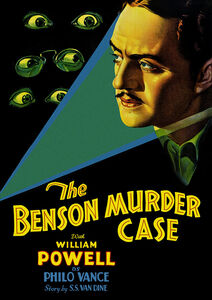
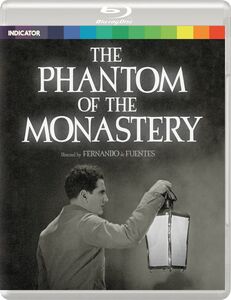
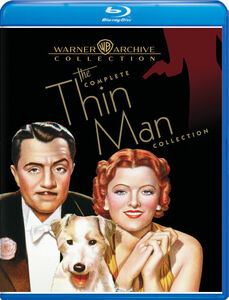
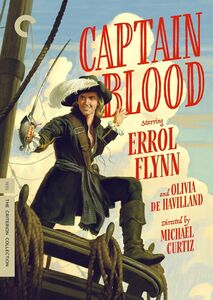
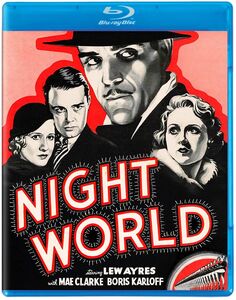
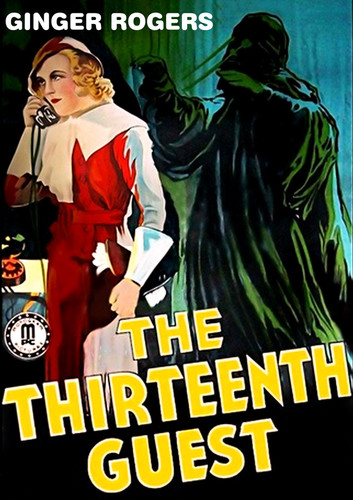
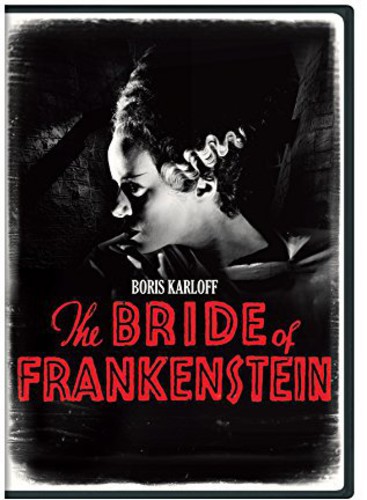
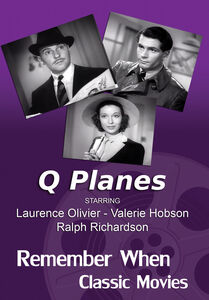
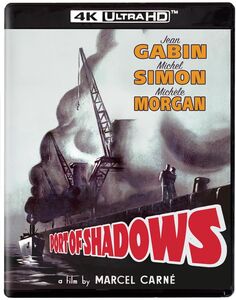
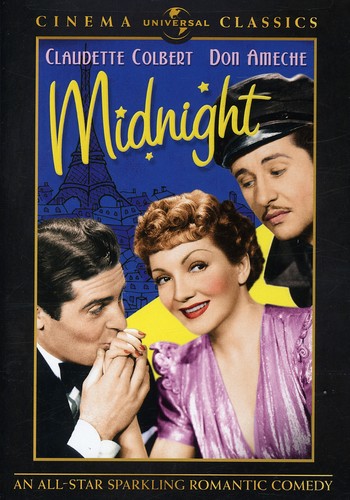
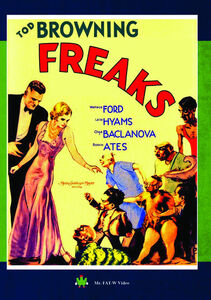
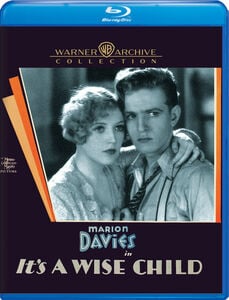
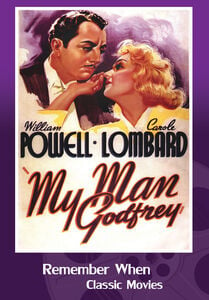
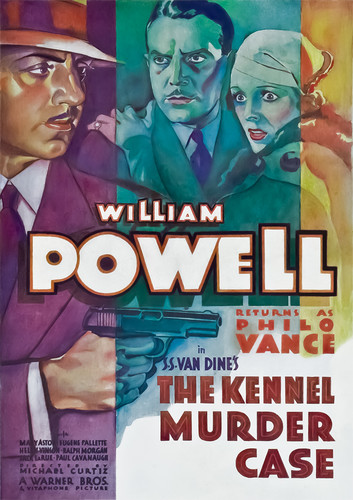
1930s movies brought cinema into a new era with sound, style, and unforgettable stars. Explore 1930s movies to discover early classics, innovative storytelling, and influential films that shaped the foundations of modern Hollywood.
The 1930s ushered in the age of sound — and with it, a revolution in emotion and realism. Audiences could finally hear the words, the songs, and the laughter that gave stories new life. Studios became powerhouses, stars became icons, and film evolved from novelty to art form.
Even amid the Great Depression, theaters were sanctuaries — places where dreams felt real and possibilities endless.
-
The Sound Revolution: Dialogue, music, and emotion merged into full cinematic expression (The Jazz Singer, 42nd Street).
-
Musical Escapism: Joyful spectacles lifted spirits with song and dance (Top Hat, Swing Time).
-
Golden Age of Comedy: Screwball humor and sharp wit flourished (It Happened One Night, Bringing Up Baby).
-
Social Reflection: Realistic dramas tackled hardship and hope (The Grapes of Wrath, Mr. Smith Goes to Washington).
-
Glamour and Romance: Hollywood perfected visual sophistication and emotional fantasy.
The 1930s proved that even in darkness, cinema could shine brighter than ever.
Films of the 1930s were filled with optimism, elegance, and charm. Directors embraced elaborate set design, orchestral scores, and snappy dialogue to keep audiences enchanted. The stars — from Clark Gable to Jean Harlow and Katharine Hepburn — defined charisma itself.
This was the decade where every scene felt alive, every moment cinematic.
Gone with the Wind (1939)
A sweeping romantic epic that defined the term “Hollywood classic” — unforgettable in scale and emotion.
The Wizard of Oz (1939)
Technicolor wonder and timeless heart — a journey that redefined fantasy forever.
It Happened One Night (1934)
The blueprint for romantic comedy — witty, charming, and irresistibly human.
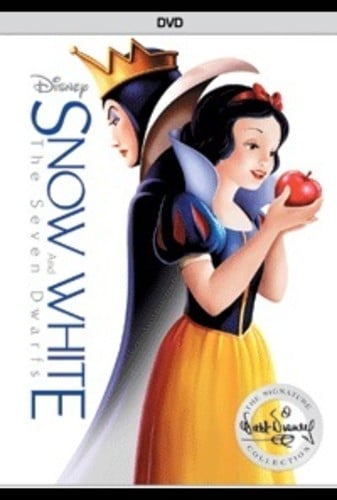
Snow White and the Seven Dwarfs (1937)
Disney’s first animated feature — a milestone that changed film history.
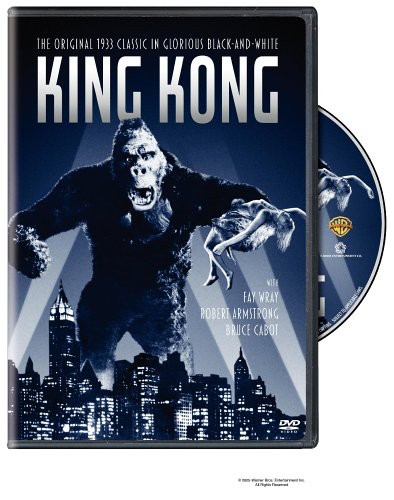
King Kong (1933)
A groundbreaking blend of adventure and innovation — fantasy made thrillingly real.
Mr. Smith Goes to Washington (1939)
An inspiring story of courage and integrity — political idealism at its finest.
City Lights (1931)
Charlie Chaplin’s silent-to-sound masterpiece — tender, funny, and profoundly moving.
1930s movies captured the spirit of resilience and imagination. They:
-
Brought sound and music to the forefront of cinematic art
-
Balanced escapism with heartfelt storytelling
-
Introduced genres that still dominate today — comedy, musical, and drama
-
Turned stars into legends and studios into cultural icons
Relive the decade that defined movie magic — browse our 1930s movie collection and bring home the sparkle, sound, and spirit of cinema’s golden beginning.